Madison Parish
Location: Tallulah, Louisiana
Providers: 6
Staff: Multiple
Services: Hospital, clinic, emergency, lab, radiology, respiratory therapy, and more Azalea EHR user since: January 2019
MADISON PARISH | HOSPITAL AND RURAL HEALTH CLINICS
Simplifying Hospital and Associated RCH Workflows
How Azalea and the Azalea EHR Delivered for Madison Parish
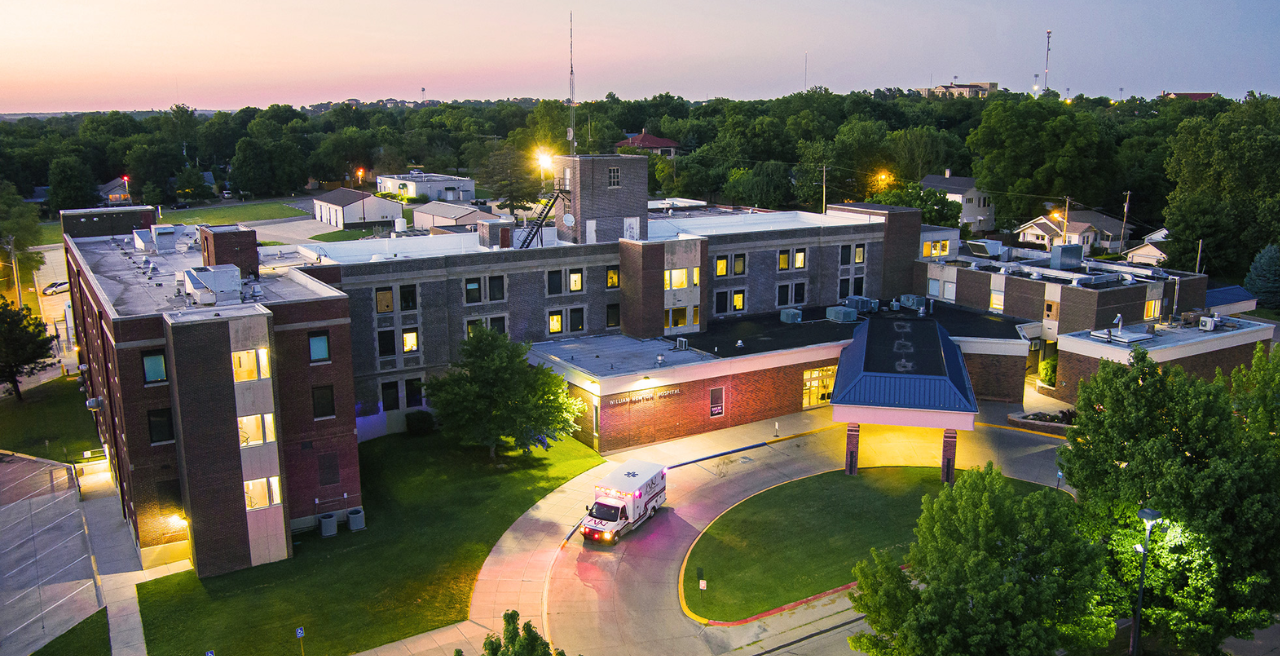
Madison Parish Hospital is a rural hospital that also runs two rural health clinics in Tallulah, Louisiana. And running a hospital and health clinics in rural Louisiana isn’t without challenges — whether it’s related to billing systems or working to gain insights into financial data.
Mindy Hinkie, revenue cycle director at Madison Parish, recognized that her organization needed a better solution. Hinkie, along with RHC Billing Supervisor Becky Sargent, oversees the revenue cycle at two clinics and the hospital.
Before Azalea EHR
-
Disconnected clinic and billing operations
-
Risks to services offered due labor-intensive processes
-
Disconnected medical records between the hospital and clinics
-
Complex billing process for patients with primary and secondary insurance coverage
With Azalea EHR
-
A single connected platform for clinic and billing operations
-
Simplified process for staff to access and manage patient records and save time
-
A single, shared medical record for hospital and clinic patient
-
Simplified billing with access to patients’ secondary insurance plans
The Madison Parish team knew that every minute they spent transitioning backend data and systems for a new EHR was a minute they took away from the patient experience. The team explored options and decided to turn to Azalea Health to streamline billing and operations, enable electronic prescriptions, customize provider documentation and access valuable dashboard data, all with a competitive investment.
In January 2019, the team went live with billing reporting through Azalea at its rural health clinics (RHCs) and, in 2021, at its hospital. The move turned out to be timely, given the healthcare industry’s ongoing nationwide staffing shortage that began before the COVID-19 pandemic and has since accelerated.
While hospitals nationwide had been grappling with a staffing shortage, the crisis was felt more acutely by rural hospitals.
According to an analysis from the Federal Reserve Bank of Richmond, hospitals across the country had 105,000 fewer workers than they did in February 2020 — a roughly 2% decline.
Some rural hospitals had to scale back their services because of the staffing shortage. Turning to technology offset the staffing shortage by minimizing the time staff members need to review health records, streamlining the billing process, and giving deeper insights into patient records.
The Path to Change
Both of Madison Parish’s clinics and its hospital transitioned in about two to three months, and the teams quickly familiarized themselves with the new interface.
The team watched tutorial videos, set up the inventory side to fit their needs, and worked with their counterparts at Azalea to help streamline the process.
Transitioning to a new system required the team to transfer and validate data and test uploading claims. Because the team began with the clinic side, they applied learnings from the ambulatory side to accelerate progress on the hospital side.
They then switched clearinghouses to one that interfaced with Azalea.
“We had a broken system before, so we had to constantly update and upgrade. There were tons of challenges that Azalea has addressed. Their clinic package is the best on the market.”
Mindy Hinkie
Revenue cycle director, Madison Parish
A Single Medical Record
For Madison Parish, the goal was to move to a single medical record for the hospital and clinics, which would let it send bills as needed. To do so required two separate programs — the chart access of EHR and the Patient Aligned Care Team (PACT) system — to talk to one another.
Transitioning to one medical record for both the hospital and the clinic further enhanced the patient experience. It empowered medical teams to spend less time reviewing records and more time with patients.
“Soon, we had one medical record between the ambulatory and hospital side, which is fabulous because we don’t have to walk papers across the street from the ER to the clinic, fax or email them,” Hinkie said.
Because provider documentation templates in Azalea are customized per provider and include the ability to e-scribe, e-fax, and view dashboard reports helped with the process.
Built for Rural Health Operations
Before making the transition, the Madison Parish team’s system was complicated and required multiple people to finalize and process billing.
They needed to simplify the process, especially for patients with two insurance plans — one commercial and Medicaid as the secondary. The team needed a system to notify them when the primary has paid and when to bill the patient’s secondary insurance without getting bogged down in administrative tasks.
Customization the Key
At Madison Parish, the team had worked with a broken system on the clinic side. And they bought upgrades only when essential to reduce as many costs as possible.
While it saved money, they had a system that did very little. That all changed with Azalea. Ultimately, the Madison Parish team went with Azalea because of the pricing and the ease of use for provider documentation.
“I would recommend the clinic package to anybody. They’re able to build things the way you want them, and you quickly realize it’s the best decision you can make in a rural health setting.”
Mindy Hinkie
Revenue cycle director, Madison Parish