East Adams Rural Healthcare
Location: Riztville, Washington
Azalea Hospital EHR user since: 2026
East Adams Rural Healthcare Finds the Right EHR Partner with Azalea Health
For East Adams Rural Healthcare (EARH), technology plays an important part in delivering high-quality care to the residents of Ritzville, Washington and its surrounding communities. But for a rural healthcare organization, the right technology isn’t necessarily the biggest or most sophisticated platform. What‘s important is finding technology that fits the organization’s implementation timeline, size, workflows, resources, and patients. That distinction became increasingly important when EARH began evaluating its electronic health record (EHR) platform.
After using a well-known EHR, East Adams determined that the platform wasn’t the right fit. The system was designed for a much larger enterprise environment and brought a level of complexity and cost that didn’t align with the needs of a rural healthcare provider.
EARH began searching for an EHR partner that could provide the functionality and support it needed without requiring the organization to adapt its operations to a system designed for a different healthcare environment. The search ultimately led to Azalea Health.
About East Adams Rural Healthcare
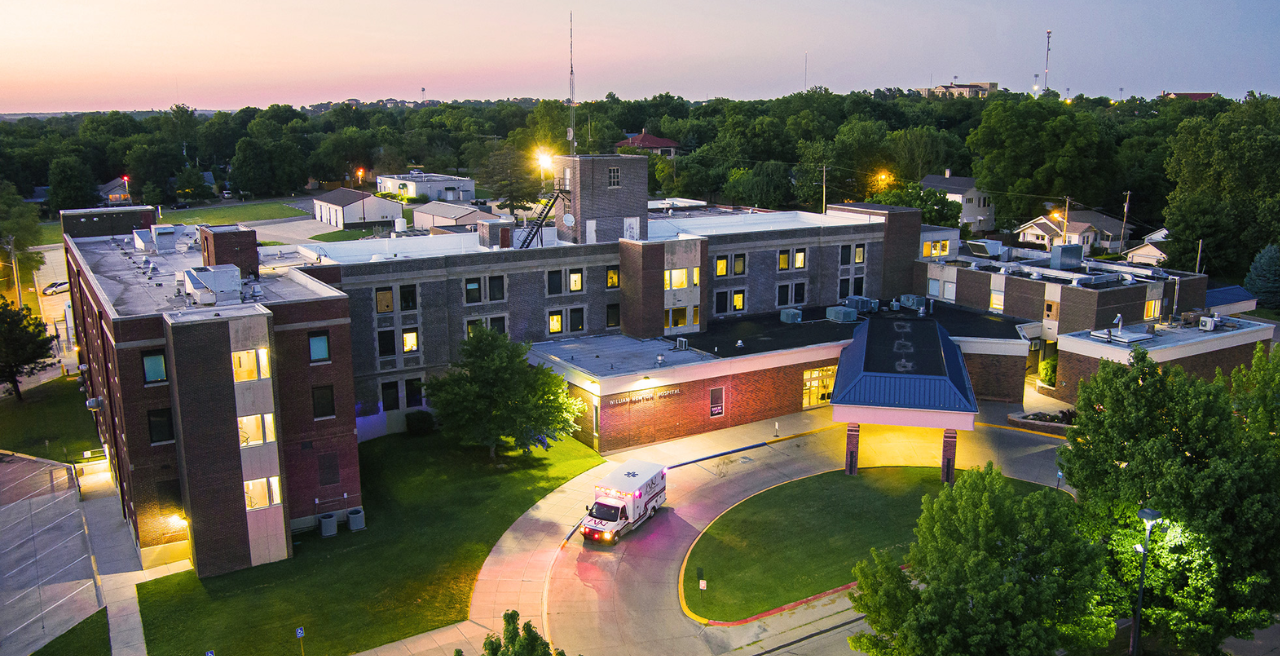
East Adams Rural Healthcare is a rural emergency hospital that serves patients in Ritzville and the surrounding communities in Washington’s Adams County. Its mission is deeply rooted in providing accessible, compassionate healthcare close to home.
EARH operates a family-practice clinic, 24×7 emergency room, ambulance service, and therapy center. Its healthcare services span family medicine, emergency care, cardiology, laboratory, and radiology services, rehabilitation, care coordination, social services, outpatient nursing, and more.
The organization is particularly important to the rural community it serves. EARH’s emergency department is open around the clock and its laboratory and imaging capabilities support rapid diagnosis and treatment locally. It also provides services, such as a walk-in clinic and transportation assistance to help residents access care without traveling long distances. For EARH, maintaining that local, community-first approach means having technology that supports its clinicians and staff.
The Challenge: When an Enterprise EHR Isn’t the Right Fit
EARH’s experience with its previous EHR highlighted a common challenge facing many rural healthcare organizations. A system can be highly capable and still not be the right solution for a particular organization.
Ultimately, it was decided that East Adams Rural Healthcare’s existing EHR was too complex and costly for its needs. When the organization began looking for an alternative, leadership issued a request for proposal to multiple vendors. The process quickly demonstrated that finding a replacement wouldn’t simply be a matter of selecting another EHR.
“Our mission was to find software that we could afford and that matched us,” said Viola Babcock, CFO, of East Adams Rural Healthcare. “Hospitals need to know who they are. What are our services, where are we going to grow, are we going to grow? What do our patients want and how do we deliver that the best way possible?”
East Adams Rural Healthcare was looking for an integrated EHR that could support all sectors of its services — its rural health clinic, walk-in clinic, emergency department, lab, physical therapy and radiology services. The new system should integrate with other systems, support billing and clinical interoperability, while fitting in with EARH’s budget and future growth plans. EARH wanted a partner that could provide fast implementation, on-site training and ongoing support.
Many of the larger vendors delivered demos that didn’t fit East Adams Rural Healthcare’s operational requirements and weren’t designed or priced for a healthcare system its size.
A patient portal was another consideration. Patient feedback made clear that EARH needed a portal that would allow patients to take greater control of routine interactions and access services through self-service capabilities. A patient portal wasn’t a “nice to have;” it was an important criterion for a new EHR.
East Adams Rural Healthcare also wanted a system that had been designed with rural healthcare in mind. It didn’t want to onboard a system and spend years adapting its workflows to accommodate the technology. It wanted a partner that understood the realities of rural healthcare and would work with its team to develop practical workflows.
As a result, EARH entered its search for a new EHR with defined expectations. The new EHR provider needed to listen, provide meaningful support, and understand the operational realities of a rural healthcare organization.
“Azalea has listened to us. As a hospital, you’ve got to know what you need and who you are first. We needed our voice to be heard. Yes, we’re a small hospital, but we know what works here and we needed a vendor that would listen. Azalea did that.”
TODD NIDA
CEO, East Adams Rural Healthcare
The Solution: Azalea Health
EARH selected Azalea Health as its new EHR partner based on a number of factors — recommendations from peer hospitals, functionality, rural healthcare expertise, and the company’s approach to partnership.
“We sent out an RFP and heard back from several companies and Azalea seemed like a good fit,” said Dallas Killian, COO at East Adams Rural Healthcare. “My goal has been to make the transition go as smoothly as possible, that we’re putting the pieces where they need to be. Azalea has been great and has treated us like true partners in the process.”
Azalea offered a “right-sized” integrated EHR and billing solution designed for ambulatory practices and rural health clinics and hospitals. The Azalea platform brings clinical, billing, and operational workflows together while reducing the infrastructure and complexity associated with larger enterprise systems.
For EARH, however, the technology itself was only part of the decision. Its leadership saw a meaningful difference in how Azalea Health approached the relationship. Azalea Health worked with the EARH team to understand its existing processes and identify opportunities to improve them. That collaborative approach was particularly important to an organization where employees closest to the day-to-day work understand the operational requirements best.
Putting the Operations Team in the Driver’s Seat
One of the most important elements of EARH’s implementation strategy has been its decision to put the people who manage the organization’s daily operations at the center of the selection and onboarding processes. Rather than having leadership make decisions for departments they don’t manage directly, EARH has empowered members of its operations team to help lead these decisions. The philosophy is that the people performing the work every day are in the best position to determine what needs to change. That approach also helped create a more collaborative relationship with Azalea Health.
During implementation, EARH experienced instances in which Azalea team members proactively identified potential problems and recommended better approaches, even when those recommendations weren’t strictly required by the software. For EARH, those interactions reinforced the value of having a technology partner that was willing to listen, make recommendations, and collaborate rather than just execute a predefined implementation plan.
Preparing for a Smooth Transition
One of EARH’s main implementation priorities was having the ability to make changes on site and address operational issues quickly. The team wanted the ability to work with its EHR partner and be able to make needed adjustments in the shortest time possible without any compromises.
Another critical objective was minimizing disruption to revenue cycle operations. With Azalea Health, EARH has focused on creating an implementation process that keeps its operations team closely involved and addresses issues proactively. The goal is not simply to deploy a new EHR, but to transition to it while maintaining the organization’s ability to provide care, manage its operations, and submit claims without interruption.
“My goal has been to make the transition go as smoothly as possible, that we’re putting the pieces where they need to be. Azalea has been great and has treated us like true partners in the process.”
DallaS KILLIAN
COO, East Adams Rural Healthcare
A Partnership Built Around Listening
For EARH, the move to Azalea Health is more than replacing one EHR with another. It represents a shift in the organization’s approach to technology from adapting to a system designed for a larger healthcare enterprise to working with a partner that understands the unique requirements of rural healthcare.
“This is the first vendor I have worked with that isn’t trying to tell us what we’re supposed to do or what we keep,” said Todd Nida, CEO of East Adams Rural Healthcare. “Azalea has listened to us. As a hospital, you’ve got to know what you need and who you are first. We needed our voice to be heard. Yes, we’re a small hospital, but we know what works here and we needed a vendor that would listen. Azalea did that.”
Azalea Health’s rural healthcare focus and collaborative implementation model aligned closely with what EARH was looking for. After determining that its previous enterprise system was not the right fit, EARH sought out a solution that could provide the functionality it required while still supporting its patients, staff, and rural healthcare mission. Azalea Health stood out by bringing together the technology, rural healthcare expertise, and hands-on partnership the organization needed.
For EARH, the move to Azalea Health represents more than a technology change. It provides the organization with a technology environment built to support the way a rural healthcare provider operates. With the right tools and ongoing support in place, EARH will be able to focus on making care more accessible and responsive for the community it serves, helping ensure that the technology strengthens its mission to provide compassionate healthcare.